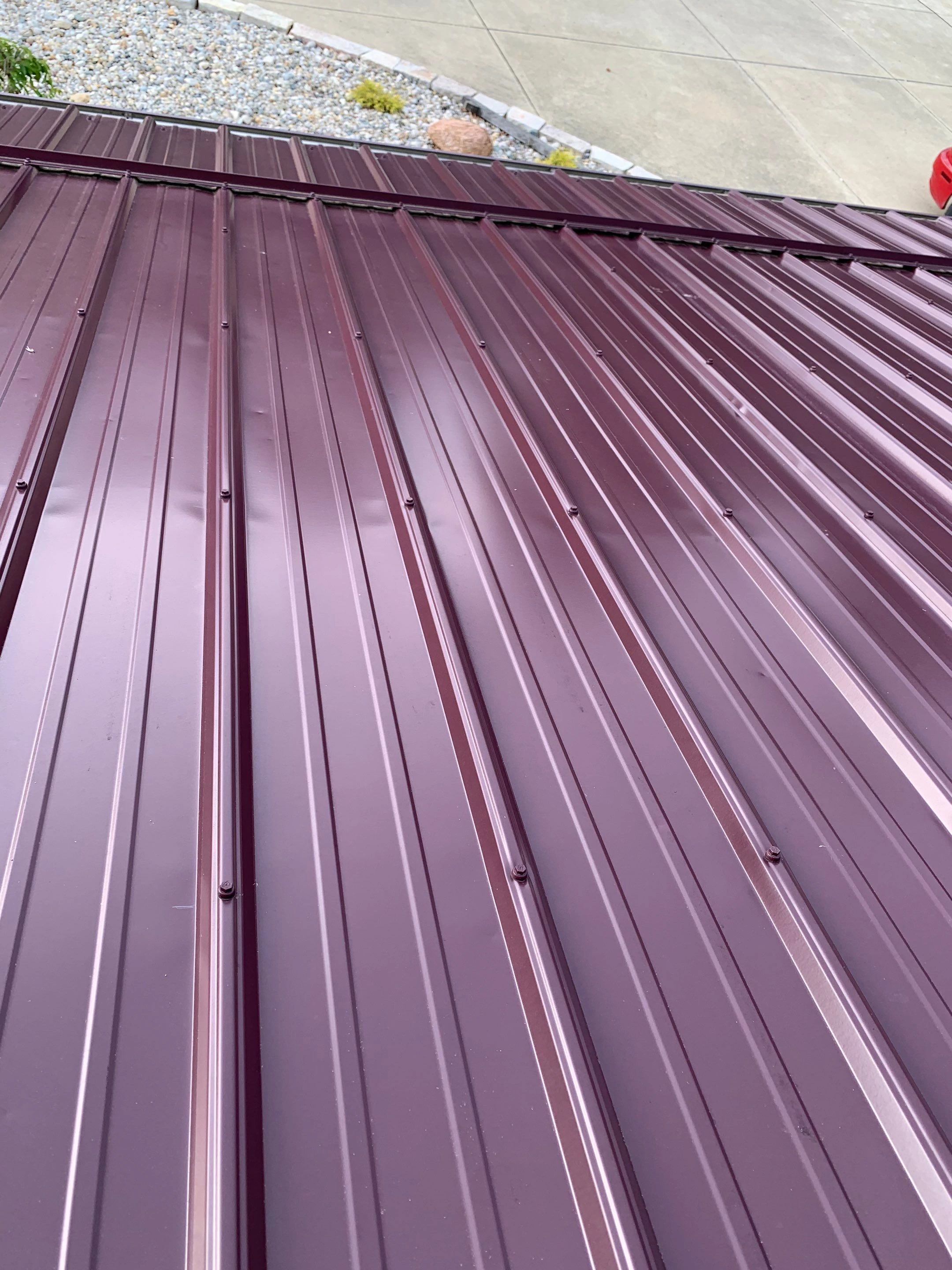
Why hail damage matters and the risks of ignoring it
Understanding the consequences of hail damage helps a Lapel owner see why it warrants prompt attention rather than being dismissed. Ignored hail damage carries real risks that grow over time.
Leaks developing from damaged areas
The most direct risk is that hail damaged areas develop into leaks, as weakened or breached spots in the membrane fail and let water in, sometimes months after the storm. The leak may appear well after the hail, making the connection easy to miss. For a roof, this delayed leaking is a primary consequence of unaddressed hail damage, and once leaks begin, they bring interior damage and the costs of water intrusion, all stemming from the hail that was not addressed.
Accelerated roof aging
Hail damage that strips protective surfacing or coatings accelerates the roof's aging, as the exposed material weathers faster, shortening the roof's remaining life even where no immediate leak occurs. The roof simply wears out sooner. For a Madison County roof, this accelerated aging is a quieter but real consequence of ignored hail damage, reducing the years of service the roof provides, which represents a loss of the roof's value that the lack of an immediate leak can obscure.
Worsening and spreading damage
Unaddressed hail damage tends to worsen and spread, with small breaches enlarging, weakened areas failing, and water intrusion damaging more of the roof assembly over time. What begins as localized impact damage can become a broader problem. For a Lapel roof, this progression means that addressing hail damage promptly, while it is contained, prevents the larger and costlier damage that develops when it is left, which is a key reason not to defer dealing with it.
Lost insurance opportunity
Beyond the physical risks, ignoring hail damage can mean missing the window to file an insurance claim, since sudden hail damage is typically a covered peril, but claims have time limits and are easier to support when the damage is promptly documented and clearly tied to the storm. For a roof, prompt action preserves the insurance opportunity, while delay can complicate or forfeit a claim, which is a practical financial reason to assess and document hail damage soon after the storm.
The case for prompt attention
Ignored hail damage risks leaks, accelerated aging, worsening damage, and a lost insurance opportunity, all of which argue for addressing it promptly rather than dismissing a roof that is not yet leaking. For a Madison County owner, understanding these consequences makes the case for a prompt inspection after hail, since the costs of ignoring the damage, in roof life, repairs, and lost coverage, far exceed the effort of assessing it early.
Address hail damage before it worsens
Finally, the credibility of the assessment matters as much as its thoroughness, since a claim rests on establishing that a real hail event caused the documented damage. A owner whose assessment includes meteorologist verified confirmation that significant hail fell has stronger support than one relying on an unverified estimate. That combination, thorough damage documentation plus credible event verification, is what makes the response to hail both protective of the roof and defensible for an insurance claim, which is the goal after a hailstorm.
It also helps to treat the insurance dimension as time sensitive, because sudden hail damage is typically covered but claims have limits and depend on tying the damage clearly to the storm. A Madison County owner who acts promptly, documenting the damage and verifying the hail event while everything is fresh, is in a far stronger position than one who waits. Coverage depends on the policy and carrier, so prompt, credible documentation, rather than delay, is what preserves the opportunity that hail damage coverage represents.
The broader point about hail damage is that the absence of an immediate leak is not evidence the roof escaped harm, since much hail damage is subtle, hidden, or slow to develop. A Lapel owner who assumes an intact looking roof is undamaged may discover leaks months later, after the insurance window has narrowed and the damage has spread. The roofs that come through a hailstorm well are the ones whose owners had them inspected promptly, finding the damage while it was contained and the options were open.
Finally, the credibility of the assessment matters as much as its thoroughness, since a claim rests on establishing that a real hail event caused the documented damage. A owner whose assessment includes meteorologist verified confirmation that significant hail fell has stronger support than one relying on an unverified estimate. That combination, thorough damage documentation plus credible event verification, is what makes the response to hail both protective of the roof and defensible for an insurance claim, which is the goal after a hailstorm.
It also helps to treat the insurance dimension as time sensitive, because sudden hail damage is typically covered but claims have limits and depend on tying the damage clearly to the storm. A Madison County owner who acts promptly, documenting the damage and verifying the hail event while everything is fresh, is in a far stronger position than one who waits. Coverage depends on the policy and carrier, so prompt, credible documentation, rather than delay, is what preserves the opportunity that hail damage coverage represents.
The broader point about hail damage is that the absence of an immediate leak is not evidence the roof escaped harm, since much hail damage is subtle, hidden, or slow to develop. A Lapel owner who assumes an intact looking roof is undamaged may discover leaks months later, after the insurance window has narrowed and the damage has spread. The roofs that come through a hailstorm well are the ones whose owners had them inspected promptly, finding the damage while it was contained and the options were open.
Finally, the credibility of the assessment matters as much as its thoroughness, since a claim rests on establishing that a real hail event caused the documented damage. A owner whose assessment includes meteorologist verified confirmation that significant hail fell has stronger support than one relying on an unverified estimate. That combination, thorough damage documentation plus credible event verification, is what makes the response to hail both protective of the roof and defensible for an insurance claim, which is the goal after a hailstorm.
Finally, the credibility of the assessment matters as much as its thoroughness, since a claim rests on establishing that a real hail event caused the documented damage. A owner whose assessment includes meteorologist verified confirmation that significant hail fell has stronger support than one relying on an unverified estimate. That combination, thorough damage documentation plus credible event verification, is what makes the response to hail both protective of the roof and defensible for an insurance claim, which is the goal after a hailstorm.
Lapel Metal Roofing assesses and addresses hail damage on Lapel commercial roofs promptly, preventing leaks and preserving your options. Call {phone} to address hail damage before it worsens. Prompt action is what separates catching hail damage early from an expensive surprise.